
How to Use the Cards
I made this deck as an invitation to slow down and notice.
The images are wordless on purpose. They do not explain. They keep you company.
Like sitting at a kitchen table with someone who reminds you that, especially in ordinary moments, meaning is already here. These cards ask what changes when we stop chasing answers and return to observing.
Not the quick kind of looking, but the kind that invites you to stay long enough for meaning to show itself.
Here, symbolism is not accidental. It is a wayfinding tool, pointing to what lives between the ordinary and what is so easy to miss:
the simple beauty of noticing what’s been here all along, finding the sacred in the ordinary.
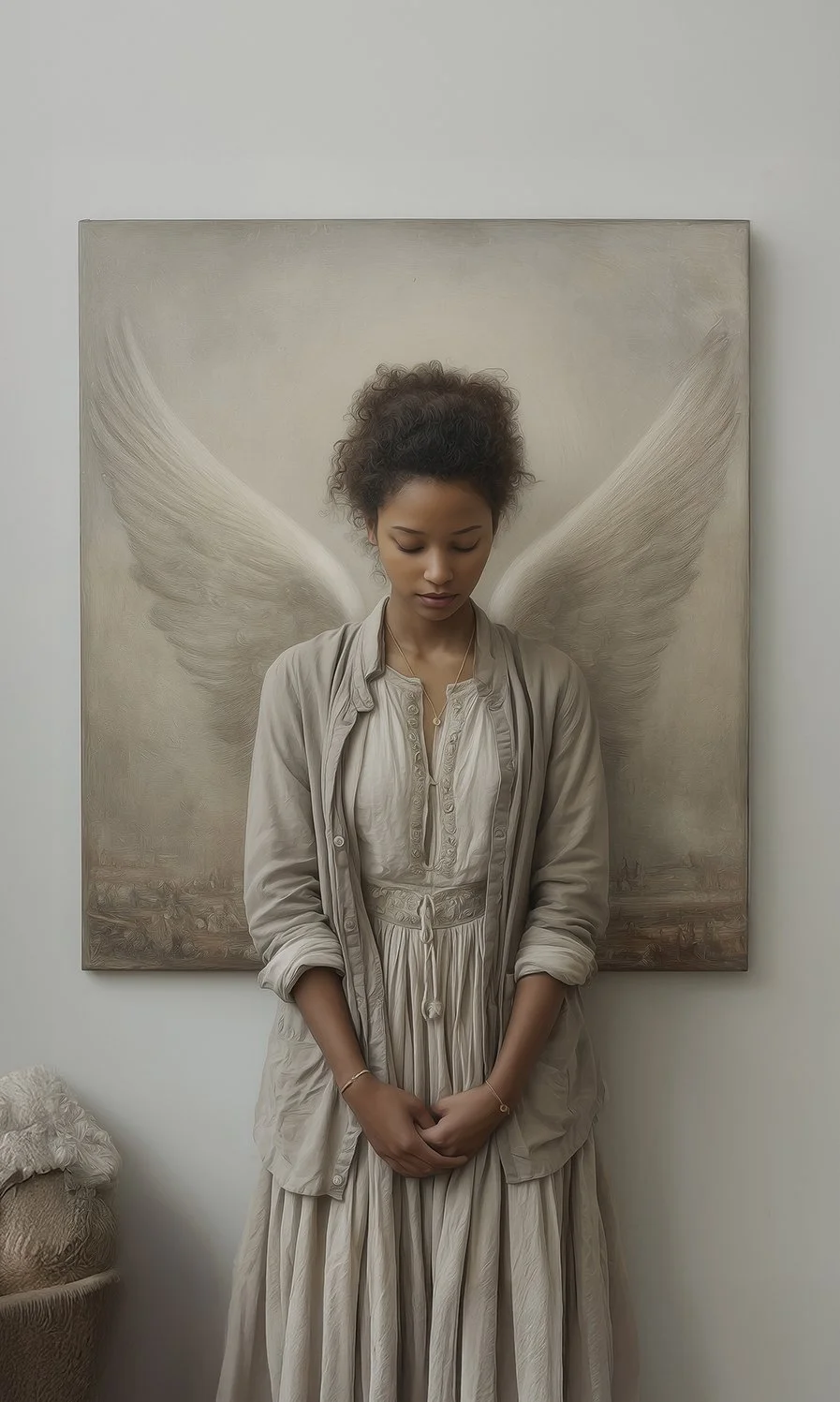
What These Cards Are
Think of them as images to keep you company, a portable gallery you can return to when you want to notice what’s true, without needing to explain it.
They are wordless on purpose, so your own meaning has room to arrive. Some days a card will feel like a mirror, other days it will simply be light, gesture, a question, a small moment you can rest your eyes on.
You do not have to interpret it correctly. You can sit with what you notice, what your body does as you look, what memory flickers, what softens, what resists.
Let the cards be a companion, not a command. A place to return to when life feels loud, or when it feels ordinary, and you want to remember that ordinary is often where the sacred hides.
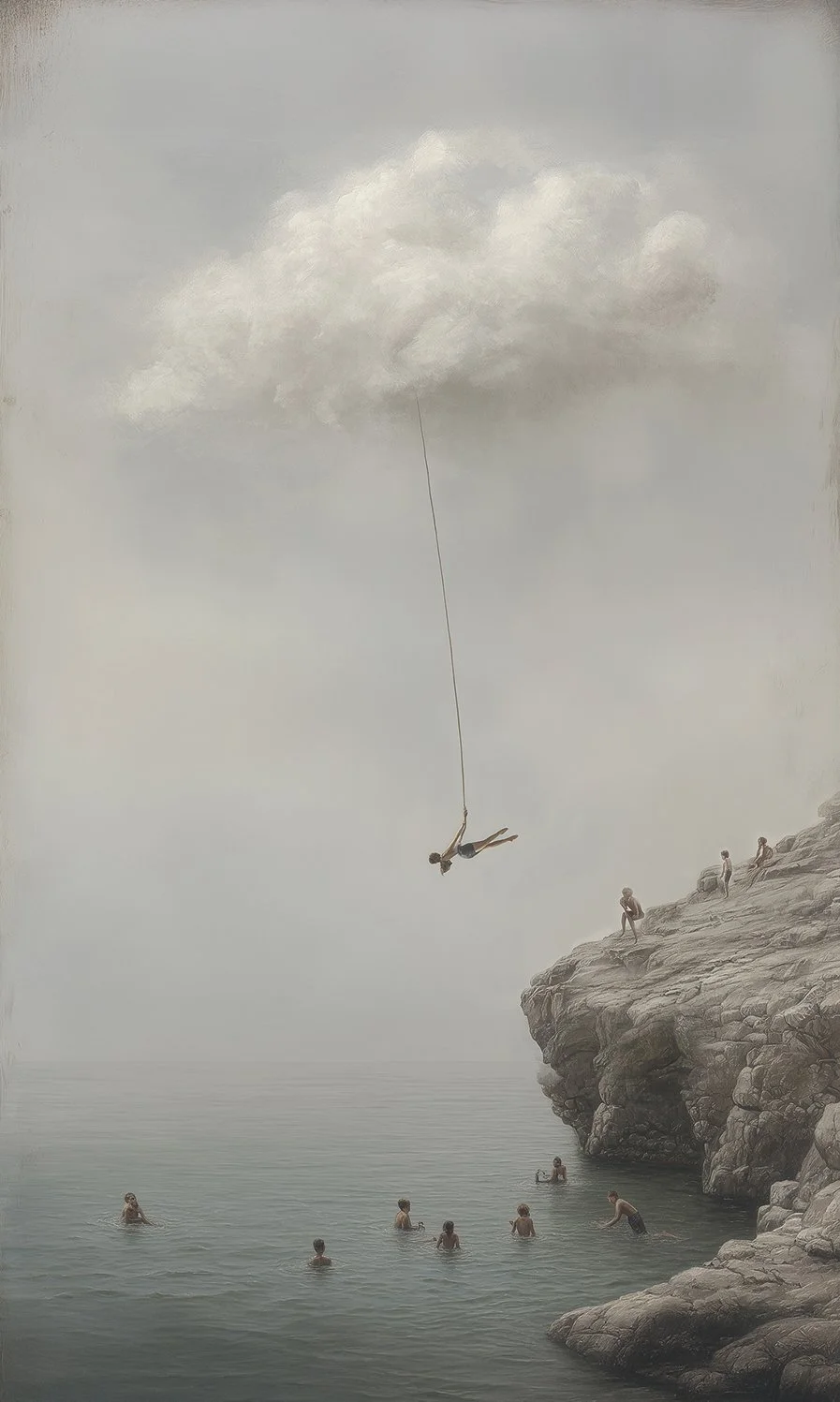
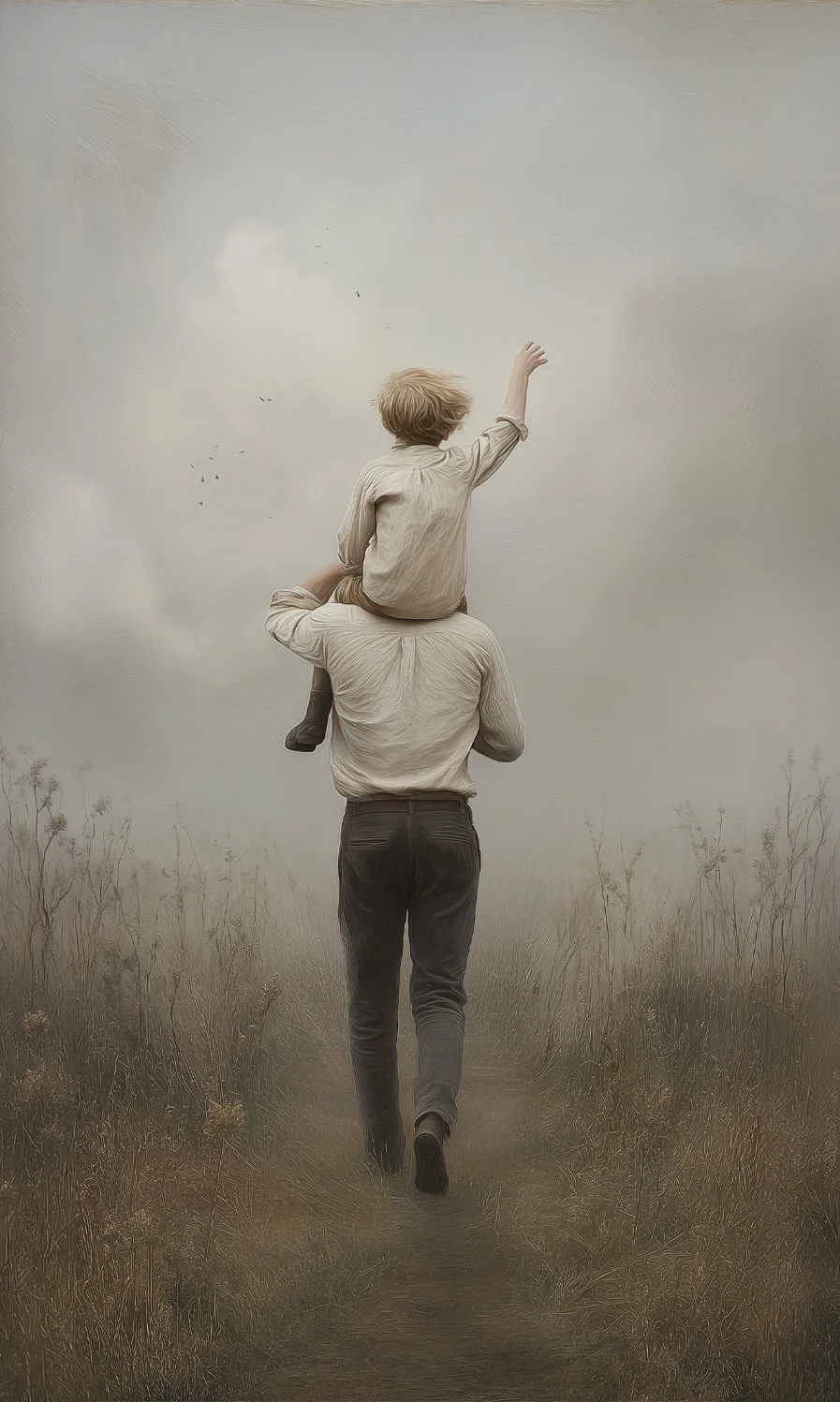
Ways to Use the Cards
A Conversation Bridge
A simple way to connect with someone else.
With a friend, partner, or group, draw a card and ask, “What do you see first?” Let each person speak without correcting.
A Listening Practice
A way to hear what you already know.
Pull a card, notice what draws you first, and ask, “What feels true here?” Then let your own knowing answer in images, not arguments.
A Decision Softener
A way to find clarity without forcing an answer.
When you are stuck, ask, “What am I being asked to notice, not fix?” and let the image widen the question.
A Gentle Support
A way to offer support without giving advice.
Draw a card for another, ask what they notice first, then offer your own observations as possibilities, not conclusions. Imagry often has a way to start conversations.
Prayer
A way to connect in prayer with an image.
Hold one card as a focal point, let it become a doorway, offer what you’re carrying, and listen for what rises.
Art Inspiration
A way to spark new creative work.
Use a card as a starting place for making a color palette, a lighting study, a composition idea, a photo prompt, a sketch, or a poem.
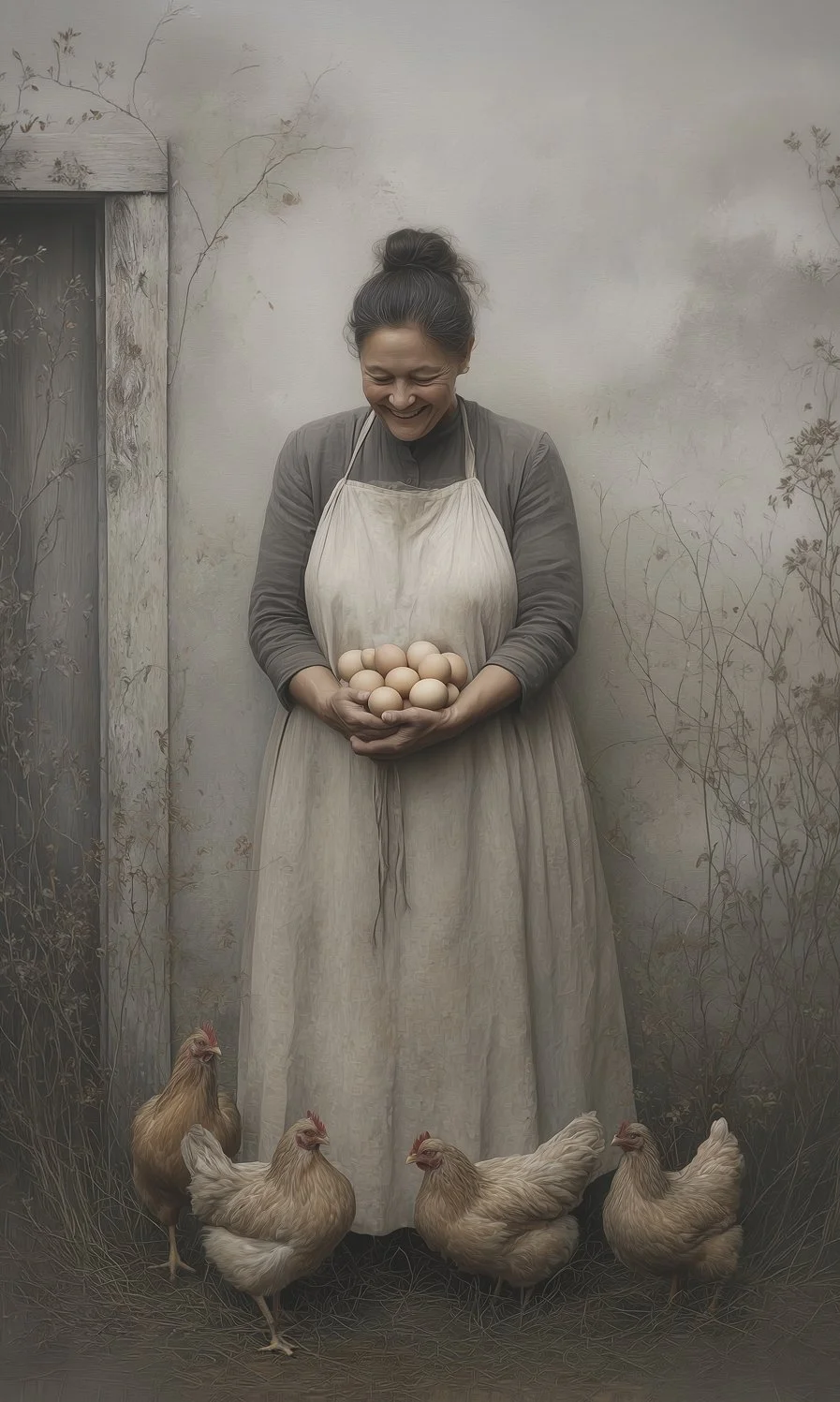
If You’d Like to Share
If you’d like to share what you pull, tag @betweentheordinary, so we can notice together.